Welcome to the Centre for Early Modern Studies at King’s College London.
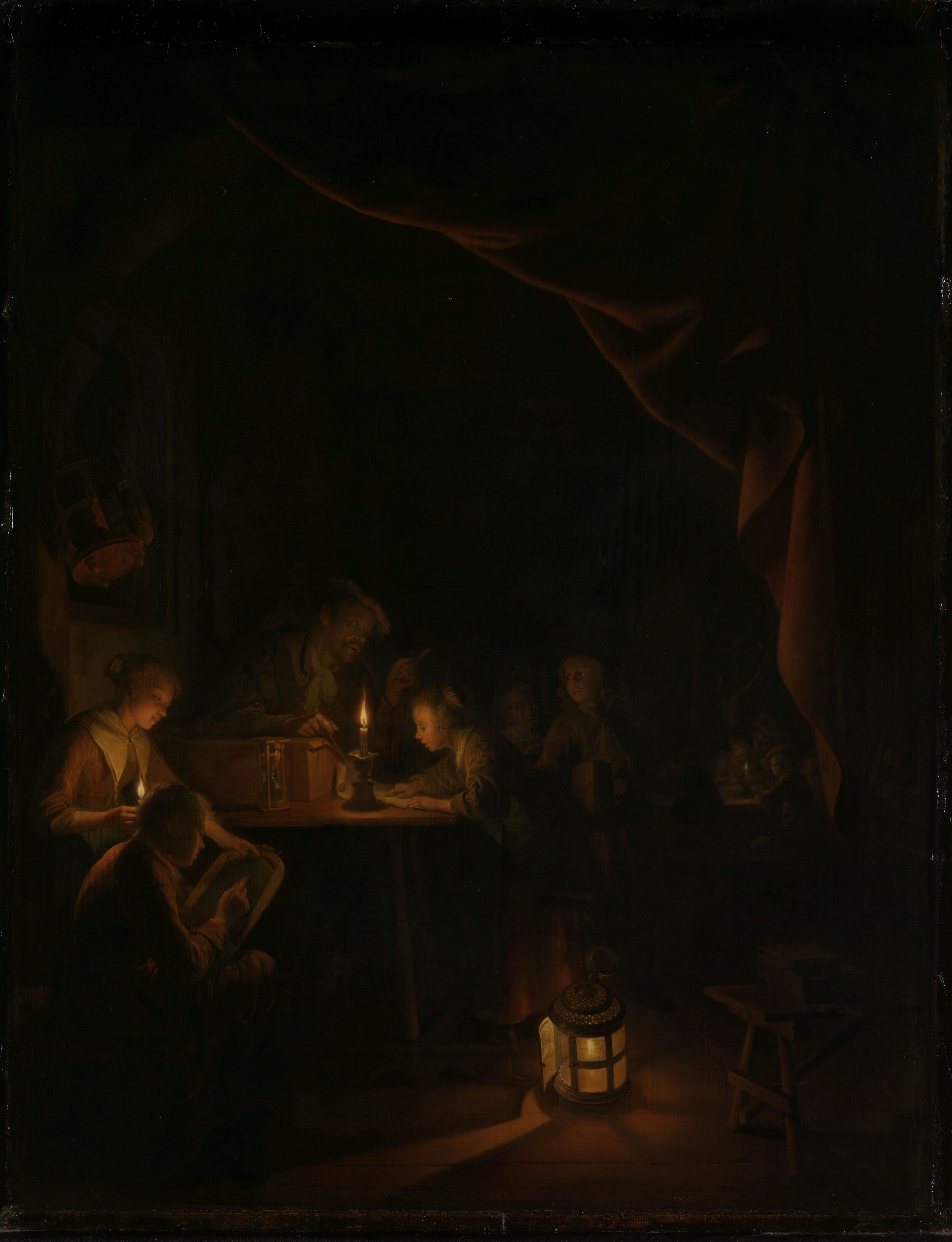
Gerard Dou . The Night School. c. 1660-65. Rijkmuseum, Amsterdam.
Browse our ‘Key’ blog series.
Read the latest posts in ‘Key Things’ , ‘Keywords’, and ‘Key Texts’.
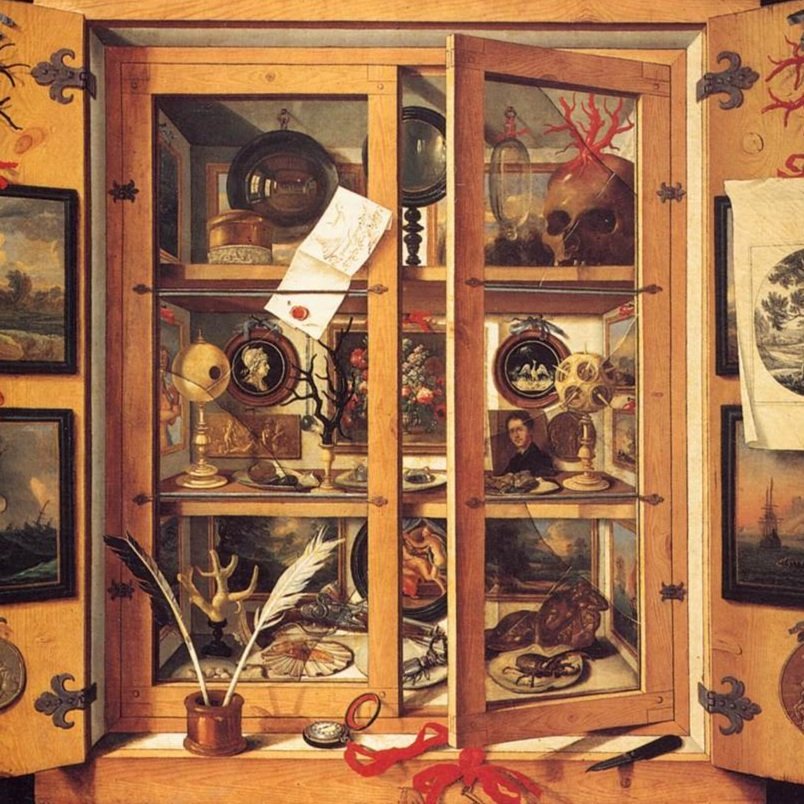
Will Burgess catalogues the ambiguities of collecting and the early modern collection through a pinch of dust in Ralph Thoresby’s museum.
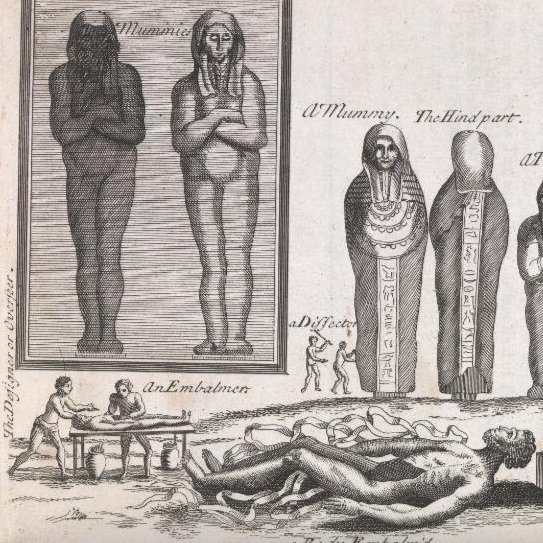
Dan Cunniffe unwraps the consumption of mummy in early modern England, revealing the proximity of the pharmaceutical to the supernatural.
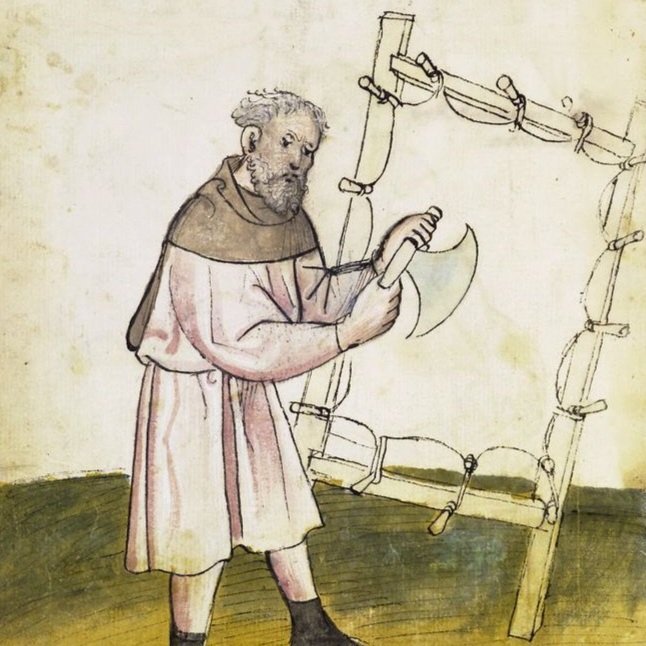
Lily Freeman-Jones traces the intimate connections between animal and human in the production and legal use of parchment in early modern England.
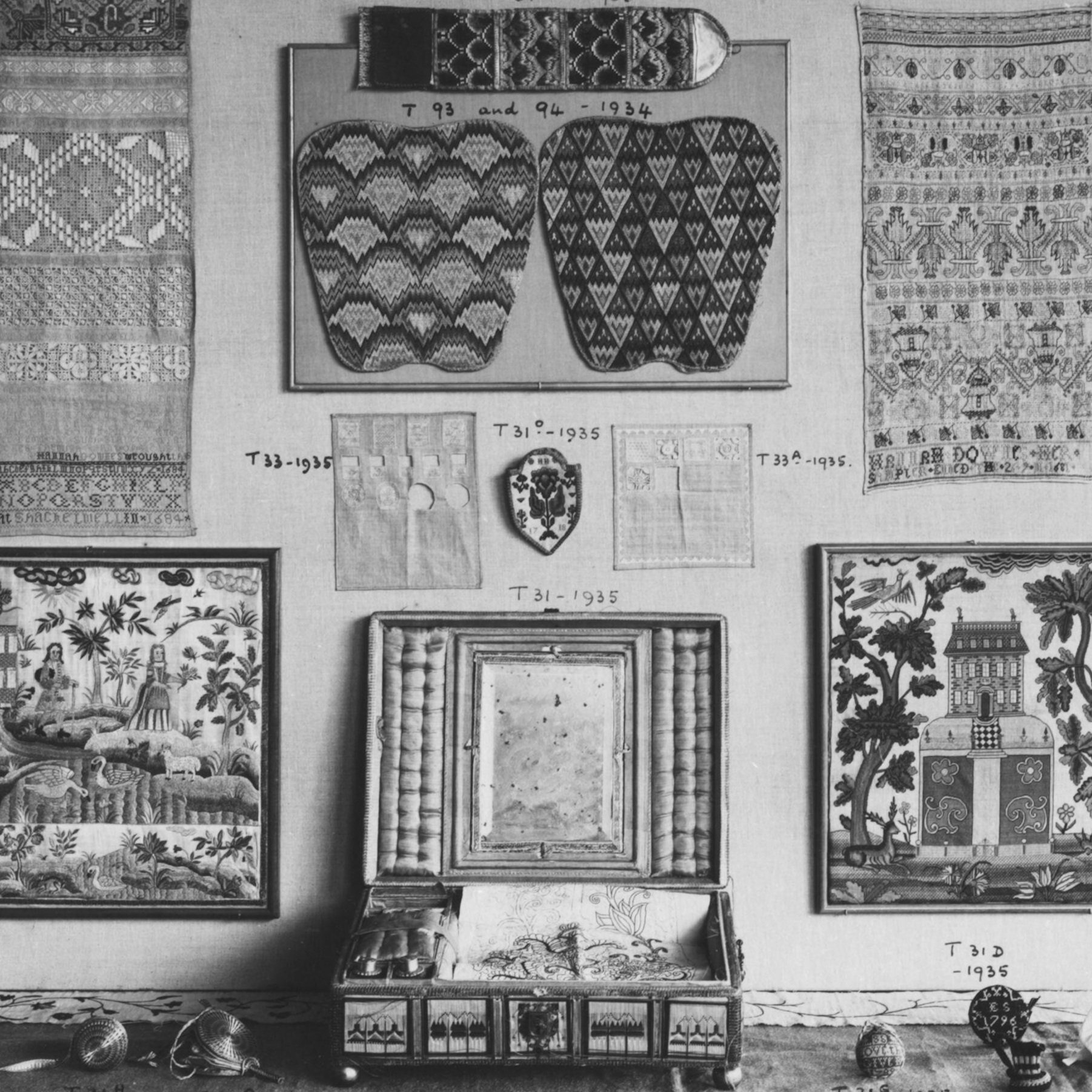
Isabella Rosner unpacks the embroidered workbox of Hannah Downes, exploring what its contents can tell us about 17C Quaker women’s art.
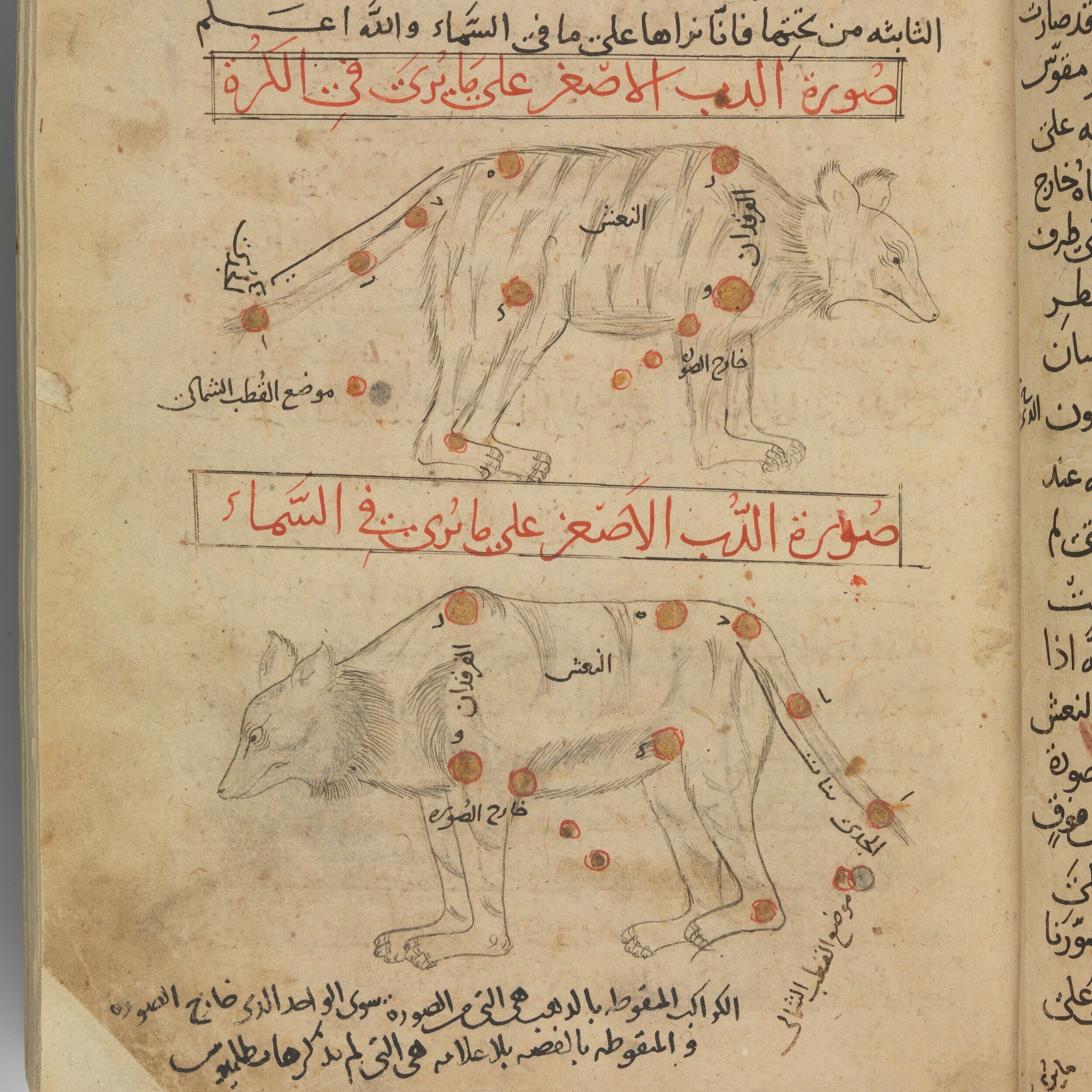
Anjali Vyas-Brannick asks what it meant — and still means — to be (a) cosmopolite, or a ‘world-citizen’.
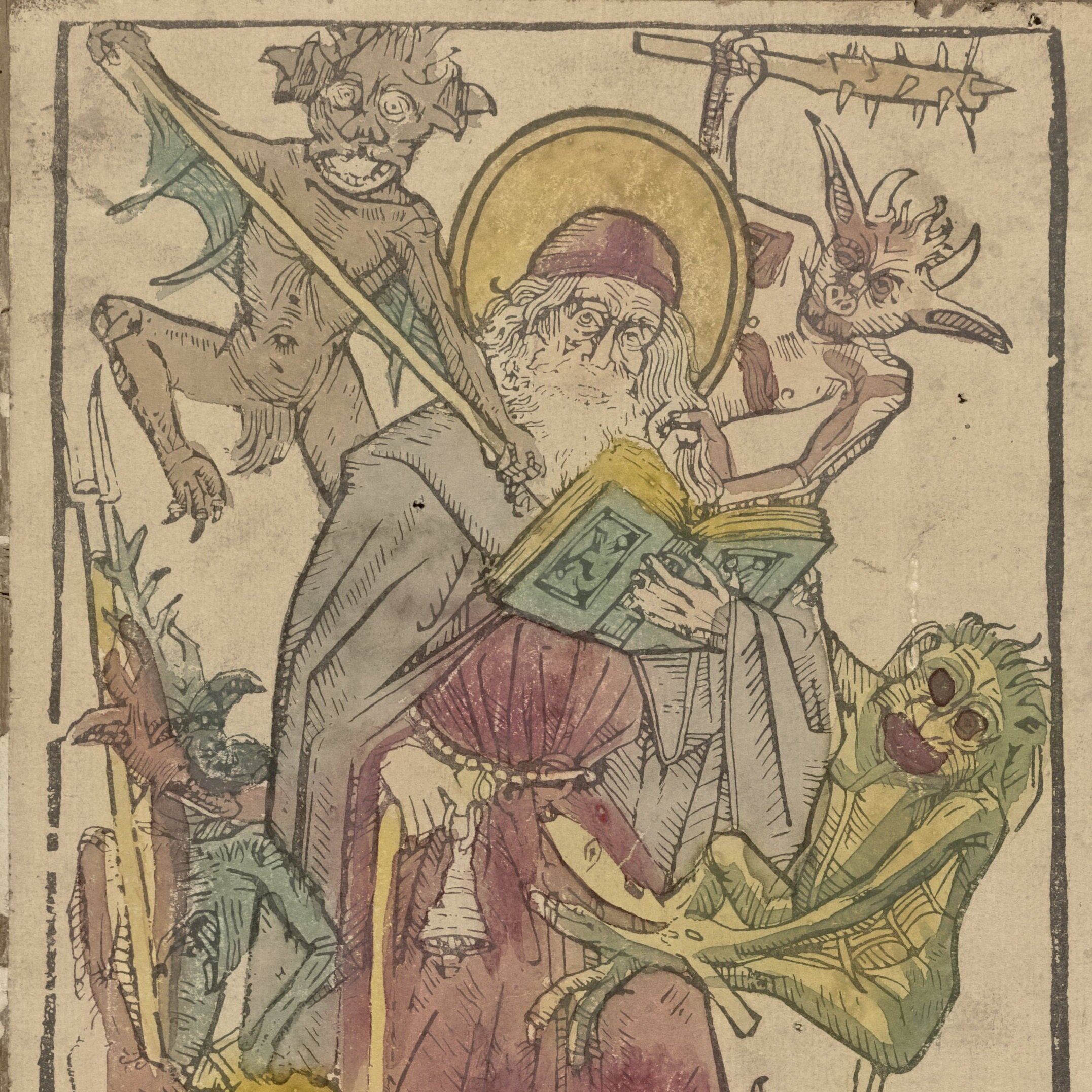
James Waddell pulls apart the etymology of distraction to examine the term’s deceptive semantic range.
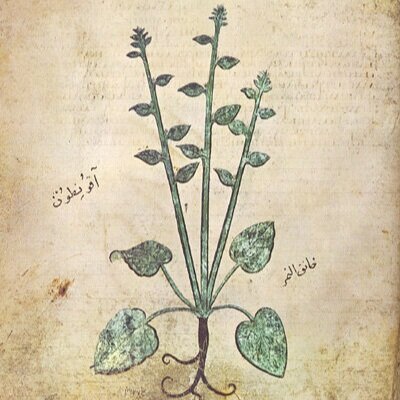
Julia Gruman Martins turns to recipe books to treat the relationship between flowers and the female body.
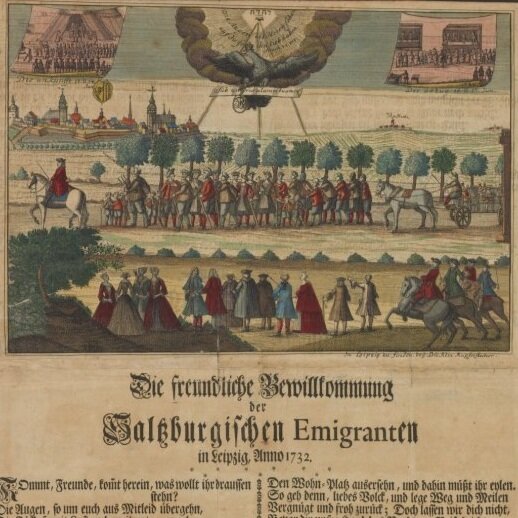
Dan Rafiqi examines nuances within refugee in early modern Europe, both of commonality and variance.
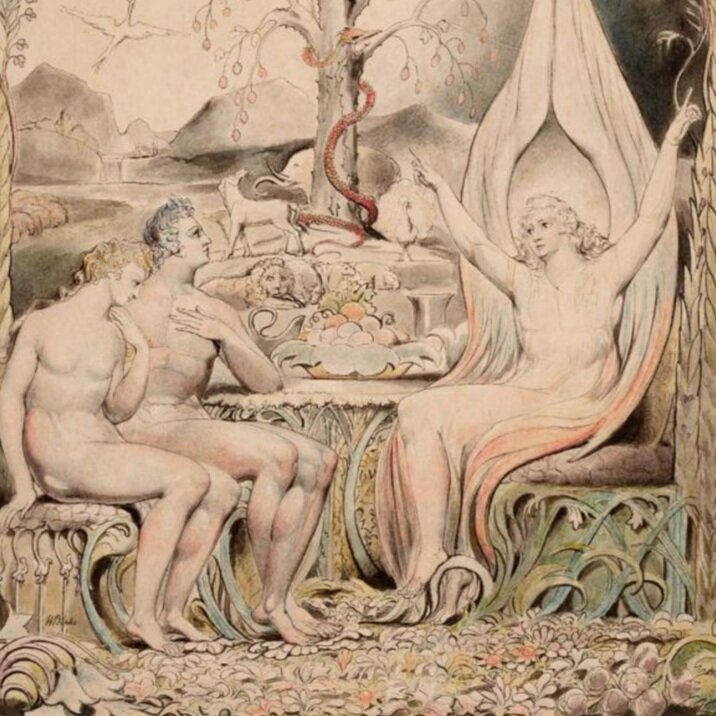
Caitlin Rankin-McCabe tracks the development of self-esteem, from early modernity into the present.
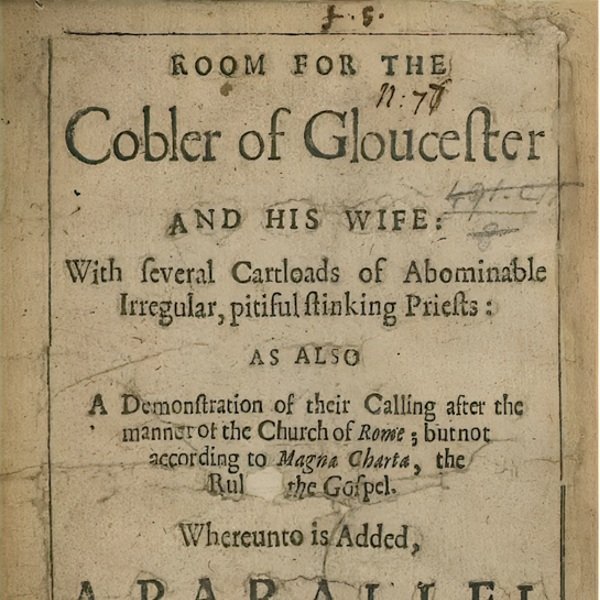
Anna Pravdica recovers the veritable cartload of Ralph Wallis’ now largely forgotten 1668 pamphlet, Room For The Cobler of Gloucester. Well-known in its own time, and enjoying cultural currency well into the 18th-century, the pamphlet, as Pravdica demonstrates, has much to tell us about religion, politics, social status, community, and family from the Civil Wars through to the Restoration and beyond.
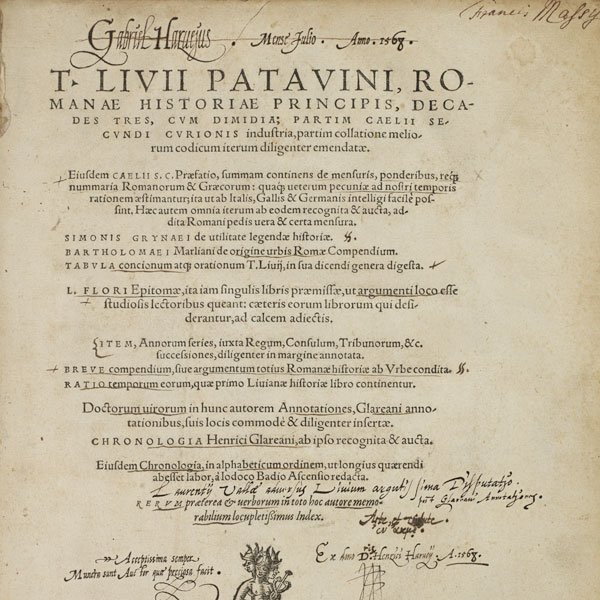
Madeleine Bracey studies the significance of Lisa Jardine and Anthony Grafton’s foundational 1990 article on the English scholar Gabriel Harvey’s annotations of Livy. As Bracey shows us, Jardine and Grafton’s essay not only transformed understandings of Harvey’s work, but reshaped early modern book historiography, posing new questions about what it meant for scholars to read in the period.
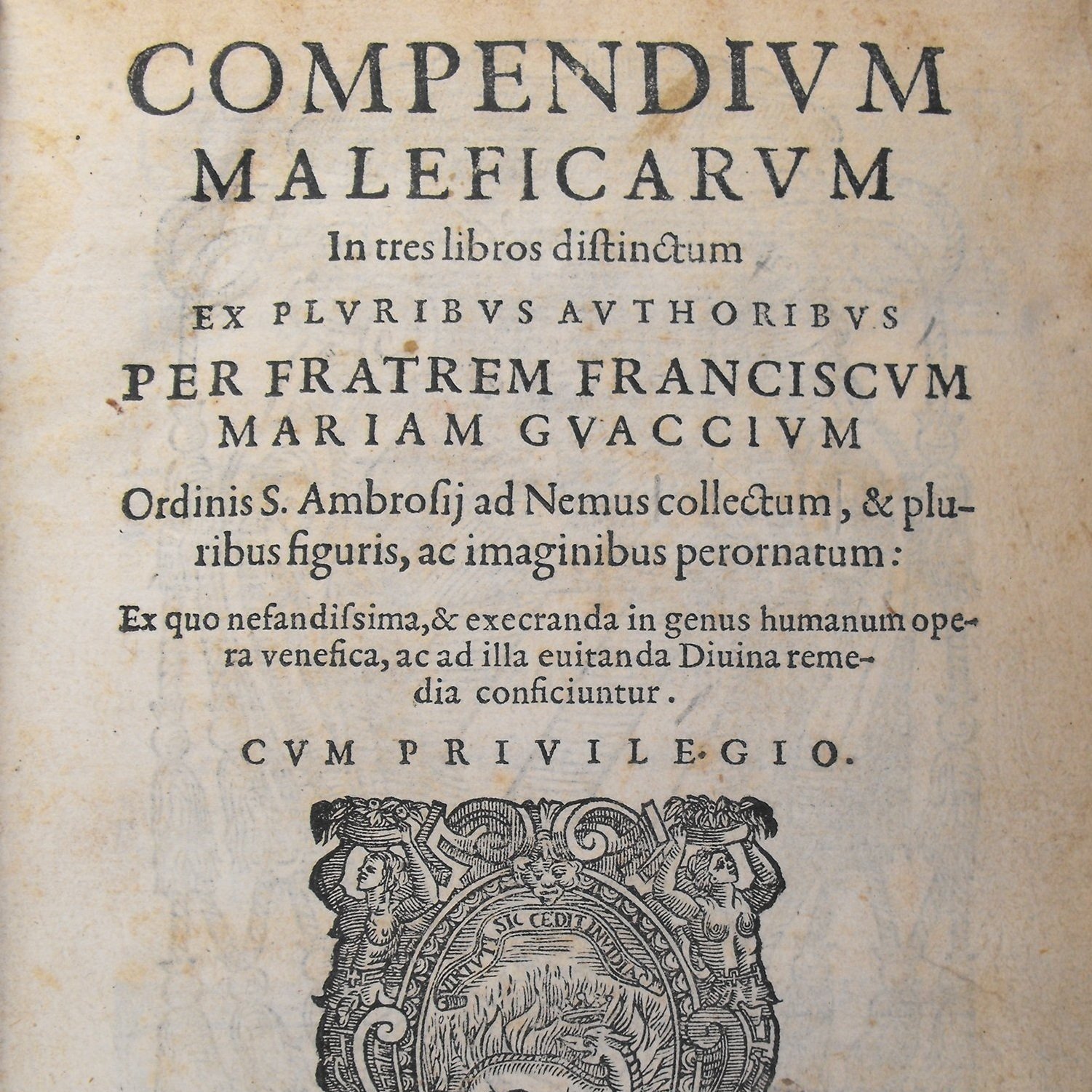
Olivia Garro examines Barnabite friar Francesco Maria Guazzo’s Compendium Maleficarum, first published in Milan in 1608. Garro argues that close attention to a much cited and yet often misunderstood text can not only offer us valuable insights into contemporary systems of belief, but help us to better understand the Italian Inquisition, its definition and treatment of witchcraft.
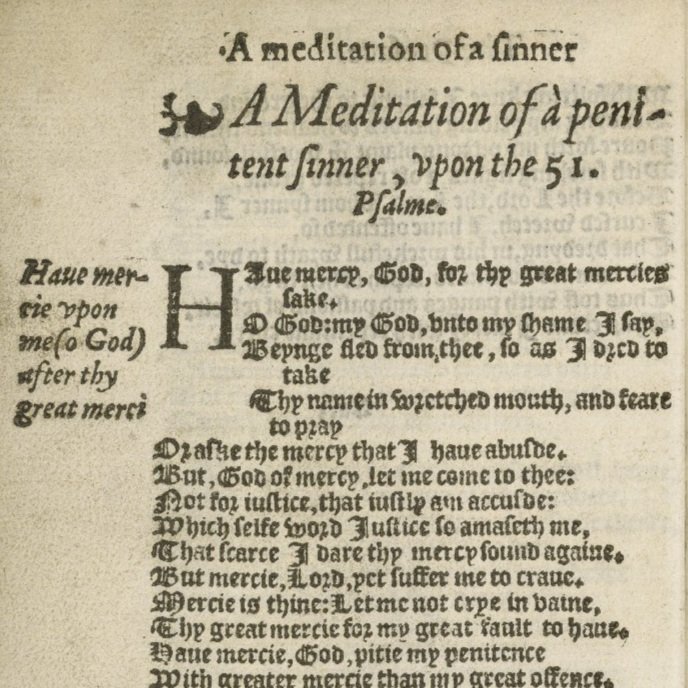
Anna-Rose Shack makes the case for the importance of a 1560 sonnet sequence, appended to a volume of sermon translations by Anne Lock. Shack shows us how attention to an ‘outstanding example of poetic innovation’ can further conversations about historical women’s writing, the development of Protestant poetics, and the interplay between poetic form and gendered voices.
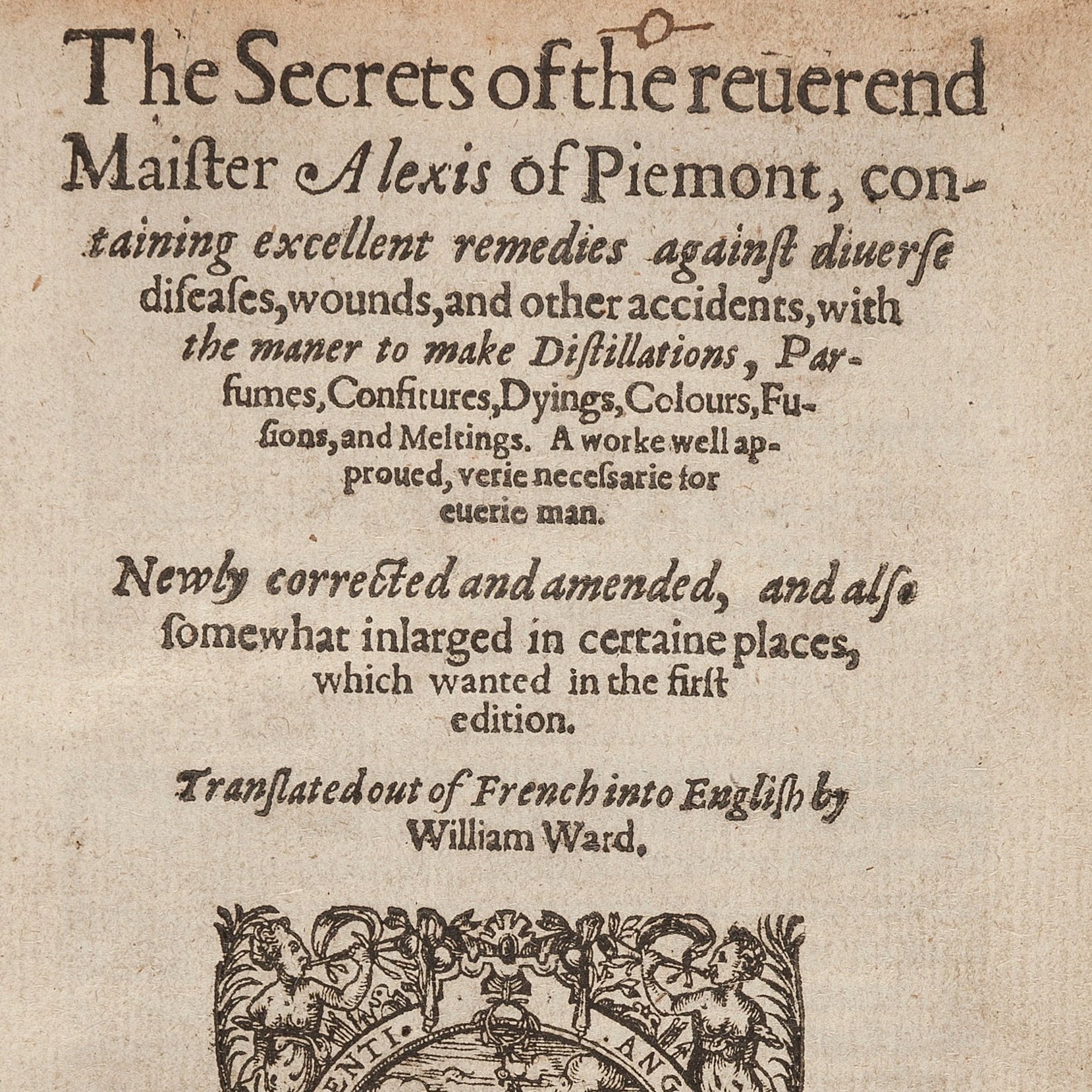
Dr Julia Martins uncovers The Secrets of Alessio Piemontese, a bestselling sixteenth- and seventeenth-century recipe book. Still relatively unknown to wider historical scholarship, the text, as Martins observes, ‘was an editorial phenomenon’, and it ‘presents the historian with extra layers to peel’ in writing the histories of science, medicine, gender, craft, translation, amongst others.
Anouska Lester uses a single piece of cambric to uncover the histories, networks, and legacy of Margaret Dane, an early modern business woman.